Exploring the Causes of Global Warming: Insights from the National Climate Change Journal
In recent decades, the issue of climate change has become increasingly prominent, with global warming being recognised as one of the most pressing challenges facing humanity. As temperatures rise, extreme weather events become more frequent, ecosystems are disrupted, and sea levels continue to rise. To understand the causes and implications of global warming, researchers and scientists around the world have dedicated their efforts to studying this phenomenon. In the United Kingdom, the National Climate Change Journal, published by Climate Change Review, serves as a valuable resource for disseminating research findings and insights into the complex factors driving global warming.

Understanding Global Warming
Global warming refers to the long-term increase in Earth’s average surface temperature, primarily driven by human activities such as burning fossil fuels, deforestation, and industrial processes. These activities release greenhouse gases, such as carbon dioxide (CO2), methane (CH4), and nitrous oxide (N2O), into the atmosphere, trapping heat and causing the planet’s temperature to rise. While natural factors such as volcanic eruptions and solar radiation also influence climate patterns, the overwhelming consensus among scientists is that human activities are the primary drivers of recent global warming.
Causes of Global Warming
1. Greenhouse Gas Emissions: The burning of fossil fuels, such as coal, oil, and natural gas, for energy production, transportation, and industrial processes is the largest source of greenhouse gas emissions. These gases accumulate in the atmosphere, forming a “blanket” that traps heat and prevents it from escaping into space, leading to a warming effect known as the greenhouse effect.
2. Deforestation: Forests play a crucial role in absorbing CO2 from the atmosphere through photosynthesis. However, deforestation, primarily driven by agricultural expansion, logging, and urbanisation, reduces the Earth’s capacity to sequester carbon, resulting in higher levels of CO2 in the atmosphere.
3. Agricultural Practices: Agricultural activities, such as livestock farming and rice cultivation, produce significant amounts of methane and nitrous oxide, two potent greenhouse gases. Livestock, particularly cattle, produce methane during digestion, while nitrogen-based fertilisers used in agriculture release nitrous oxide into the atmosphere.
4. Industrial Processes: Certain industrial processes, such as cement production, chemical manufacturing, and refrigeration, emit greenhouse gases as by-products. These emissions contribute to the overall greenhouse gas inventory and exacerbate global warming.
The Role of the National Climate Change Journal
The National Climate Change Journal, published by Climate Change Review, serves as a platform for researchers, scientists, policymakers, and practitioners to exchange knowledge, share research findings, and engage in informed dialogue on climate change issues. Through peer-reviewed articles, research papers, and policy analyses, the journal provides insights into the causes, impacts, and solutions to global warming, with a focus on the UK context.
By highlighting the latest research and scientific developments, the journal contributes to a deeper understanding of the complex interactions between human activities and the Earth’s climate system. It also serves as a catalyst for action, informing policy decisions, guiding mitigation strategies, and fostering public awareness and engagement on climate change issues.
Moving Forward: Addressing Global Warming
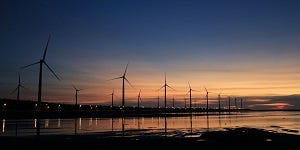
Addressing global warming requires concerted efforts at the individual, national, and international levels. Transitioning to renewable energy sources, implementing energy efficiency measures, protecting and restoring forests, and promoting sustainable agricultural practices are essential steps in mitigating greenhouse gas emissions and reducing the impacts of global warming.
Through initiatives such as the National Climate Change Journal and organisations like Climate Change Review, the UK remains at the forefront of climate change research, advocacy, and action. By harnessing the collective expertise and resources of scientists, policymakers, businesses, and civil society, we can work together to address the root Causes of Global Warming and build a sustainable future for generations to come.


Comments
Post a Comment